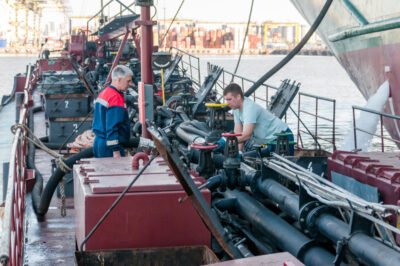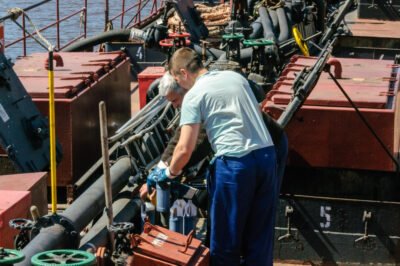


Thermal oil systems are widely used on ships for heat transfer applications where stable temperature control is critical. From fuel heating to cargo systems and auxiliary machinery, these systems operate under high temperatures and continuous load. While heaters and heat exchangers often receive primary attention, valves and transducers play an equally vital role in system safety and operational reliability.
Failures in these components can lead not only to efficiency loss but also to serious safety risks on board.
The Role of Valves in Thermal Oil Systems
Valves in thermal oil systems regulate flow, control pressure, and ensure safe circulation of heat transfer fluid. Regulating valves, isolation valves, and safety-related control valves must operate with precision under extreme temperature conditions. Any malfunction—such as sticking, leakage, or incorrect response—can disrupt thermal balance and create overheating risks.
Using unsuitable or worn valve components may result in uncontrolled flow, pressure spikes, or thermal stress on connected equipment. This makes proper valve selection and timely replacement essential for long-term system stability.
Why Transducers Are Critical for System Monitoring
Transducers, particularly temperature and pressure transducers, provide real-time data that allows crews and automation systems to monitor thermal oil performance. Accurate readings are crucial for preventing overheating, detecting abnormal pressure levels, and triggering alarms before damage occurs.
Faulty or low-quality transducers can send incorrect signals, leading operators to make wrong decisions—or worse, fail to react to critical conditions. In thermal oil systems, delayed response can escalate into fire hazards, equipment damage, or unplanned shutdowns.
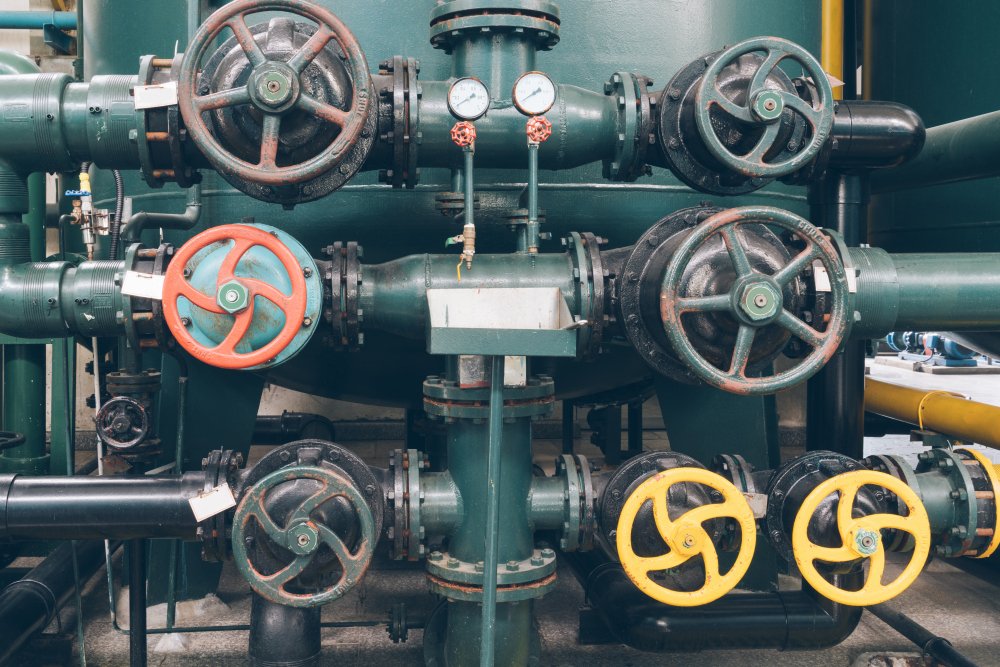
Common Safety Risks in Thermal Oil Systems
Most safety incidents related to thermal oil systems originate from component-level failures rather than major equipment breakdowns. Degraded seals, incorrect valve calibration, and malfunctioning transducers are among the most common hidden risks. These issues often remain unnoticed until system performance drops or alarms are triggered too late.
Preventive maintenance and the use of marine-approved spare parts significantly reduce these risks. Selecting components designed specifically for thermal oil applications ensures resistance to high temperatures and chemical compatibility with the heat transfer fluid.
How Maridec Supports Safe Thermal Oil Operations
Maridec supplies reliable spare parts for thermal oil system components, including regulating valves and transducers, helping ship operators maintain safe and efficient operations. With a clear understanding of marine heating systems, Maridec assists in identifying the correct components before failures occur.
By supporting planned maintenance strategies and providing trusted spare parts, Maridec helps reduce safety risks, extend system lifespan, and avoid costly downtime caused by unexpected thermal oil system failures.
Safety Starts at Component Level
Thermal oil systems are only as safe as their smallest components. Valves and transducers may seem secondary, but their impact on operational safety is critical. Investing in the right parts and preventive maintenance is not optional—it is essential.
To ensure the safety and reliability of your thermal oil systems, contact Maridec today for trusted valves, transducers, and expert marine spare part support. Stay ahead of risks with the right components and the right partner.
👉 Get in touch with Maridec for expert maintenance planning and spare part solutions.
📩 sales@maridec.com
📞 +90 216 423 06 06