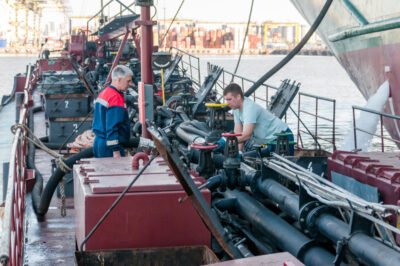


Winter conditions at sea create some of the heaviest operational loads marine engines face throughout the year. Low temperatures, strong wave motion, increasing fuel viscosity, reduced lubrication oil circulation, and freezing risks in cooling systems can significantly affect the performance and reliability of ship engines. For vessels operating on long routes or conducting frequent offshore operations, the process known as marine winterization becomes essential.
A properly winterized engine not only experiences fewer failures but also operates more efficiently, consumes less fuel, and increases overall operational safety. For this reason, winter marine engine maintenance must be managed systematically. In this comprehensive guide, we present a technical roadmap for protecting the fuel system, lubrication system, and cooling circuit—supported by MICFIL ultra fine filters, separator kits, pumps, heaters, and other critical spare parts.
At Maridec, we supply original spare parts from global brands and provide engineering support to ensure uninterrupted operation of marine machinery systems during harsh winter conditions.
1. Why Winterization Matters: Understanding Cold-Weather Risks in Marine Engines
Marine engines operate within a much wider temperature range compared to other industrial engines. Vessels navigating northern routes—such as the Baltic Sea, North Atlantic—or facing harsh winter conditions in the Mediterranean are more exposed to cold-weather risks.
Key winter risks include:
Fuel paraffination and system clogging
Increased viscosity in lubrication oil
Freezing and cracking in freshwater circuits
Reduced performance in compressors, pumps, and separators
Faster filter saturation
Increased corrosion
Fuel and oil temperatures dropping below required levels
All these effects directly reduce engine performance and may cause unexpected downtime if proper maintenance is not performed. For ship operators, owners, and technical superintendents, developing an effective marine engine protection strategy becomes a top priority during winter.
2. Protecting Marine Fuel Systems in Winter
Fuel system protection is one of the most critical steps to ensure efficient engine operation. As temperatures drop, paraffin crystals inside fuel oils grow and fuel viscosity rises. This can lead to clogging in separators, filters, and injection systems.
2.1 Fuel Preheating: Correct Temperature Management
Heavy Fuel Oil (HFO) reaches optimal fluidity between 98–120°C.
Marine Gas Oil (MGO) requires less heating, but low temperatures still negatively affect filtration.
Winter checklist:
Regular inspection of tank heating systems
Calibration of fuel rail temperature sensors
Maintenance of preheater units
Maridec supplies:
Heating elements
Fuel transfer pumps
Temperature sensors
Fuel preheater spare parts
from globally recognized brands.
2.2 Ultra Fine Filtration with MICFIL
MICFIL ultra fine filters provide sub-micron filtration, removing water and particulates even in a single pass. Since paraffin-related clogging becomes more common in low temperatures, MICFIL systems offer major advantages:
Cleaner fuel → reduced failure rates
Longer injector and pump life
Lower fuel consumption
Reduced load on separators
Accurate filtration significantly improves system reliability in winter.
2.3 Winter Maintenance for Fuel Separators (Alfa Laval, Mitsubishi, Samgong)
Winter readiness for fuel separators involves:
Cleaning the bowl and disk stack
Heater unit inspection
Sludge discharge testing
Density changes caused by low temperatures reduce separation efficiency. Therefore, use of original intermediate kits, major kits, and heating elements is essential.
Maridec supplies complete kits for Alfa Laval, Mitsubishi, and Samgong separators—either from stock or with fast delivery.
3. Protecting the Lubrication System in Cold Conditions
The lubrication system is one of the most temperature-sensitive areas. As the oil cools, its viscosity increases, slowing circulation and increasing friction.
3.1 Correct Oil Temperature Management
When oil temperature drops below 40°C, viscosity rises sharply.
Regular winter tasks:
Inspection of LO heaters
Calibration of viscosity sensors
Adjusting LO separator maintenance cycles for winter conditions
Maridec provides original spare parts for LO separators and filtration systems from leading global brands, ensuring safe system operation.
3.2 LO Filtration Optimization
Cold weather enhances particle retention and water separation inside the oil. Therefore the winter maintenance plan must include:
Candle filters
Duplex filters
MICFIL LO filtration systems
Proper oil filtration reduces internal wear, extends pump life, and improves energy efficiency.
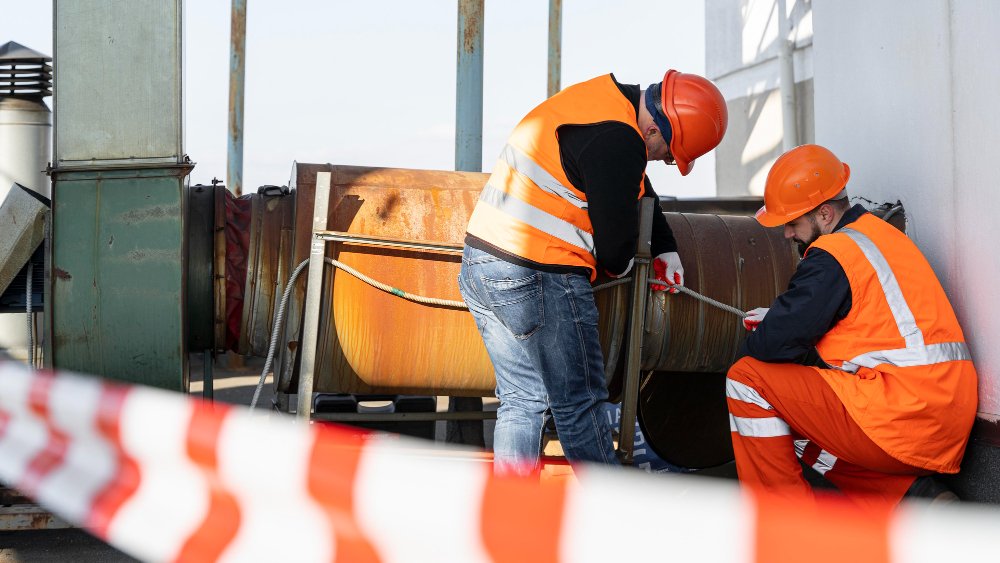
4. Cooling System Winter Protection
The cooling system faces the highest freezing risk during winter. When temperatures in freshwater circuits drop below 0°C:
Pipelines may crack
Heat exchanger plates may be damaged
Pump seals may deform
4.1 Antifreeze Concentration Check
Winter recommendations:
Antifreeze mixture 30–50%
Excessive antifreeze may reduce cooling efficiency
Maridec supplies:
Heat exchanger plates
Gaskets
Cooling water pumps
Valve blocks
for optimized cooling performance.
4.2 Heat Exchanger Maintenance
Winter accelerates:
Scaling
Lime buildup
Seawater corrosion
Therefore, regular:
Plate cleaning
Gasket replacement
Leak and vibration checks
are essential.
Maridec supports this process with original spare parts from Sondex, Alfa Laval, SPX Flow, and others.
5. Pump Protection During Winter Operations
Pumps are heavily affected by temperature drops and increased viscosity.
5.1 Fuel, LO & Cooling Pumps
Brands to inspect before winter:
IMO Pump
Iron Pump
Azcue
Allweiler
Garbarino
Potential risks:
Frozen liquids inside the pump casing
Seal deformation
Bearing damage
Winter pump preparation checklist:
Mechanical seal inspection
Adjusting bearing lubrication levels
Ensuring no water remains inside the casing
Using winter-grade lubricants
Maridec supplies all critical pump components including impellers, seals, bearings, shafts, and complete pump kits.
6. Additional Winterization Recommendations
6.1 Electrical Systems
Winter-related tasks include:
Sensor calibration
Heating element checks
Automation unit protection
Transducer replacement
Maridec provides fast delivery for valve blocks, EPC50, EPC400, water transducers, and other electrical components.
6.2 Air Compressor Systems
Common winter issues include:
Oil condensation
Low pressure performance
Moisture drain clogging
Filter saturation
Maridec supplies original spare parts for Hatlapa, Tanabe, Sperre, Sauer, and Atlas Copco compressors.
7. Why Choose Maridec for Winter Marine Engine Maintenance?
Maridec ensures safe, efficient, and uninterrupted engine performance during the winter season with its extensive product range and engineering expertise.
Advantages of Choosing Maridec
Original spare parts from Alfa Laval, Mitsubishi, GEA, Samgong, MICFIL, Boll & Kirch, IMO Pump, Iron Pump, Azcue, Sondex, SPX Flow and more
Fast delivery times
Global supply network
Expert technical consultation
Correct spare part selection based on vessel and engine type
Specialized know-how in filtration, separation, pumps, and cooling systems
Maridec is a trusted technical solution partner for the maritime industry—supporting maximum performance in winter operations.
Contact Maridec for Winter Maintenance Support
Ensure your vessel’s machinery is fully protected before cold weather arrives. For winter maintenance planning, original spare part supply, or technical consultation:
👉 Contact Maridec today and secure your vessel’s winter performance.
👉 Need a vessel-specific winter maintenance checklist? I can prepare one immediately.